
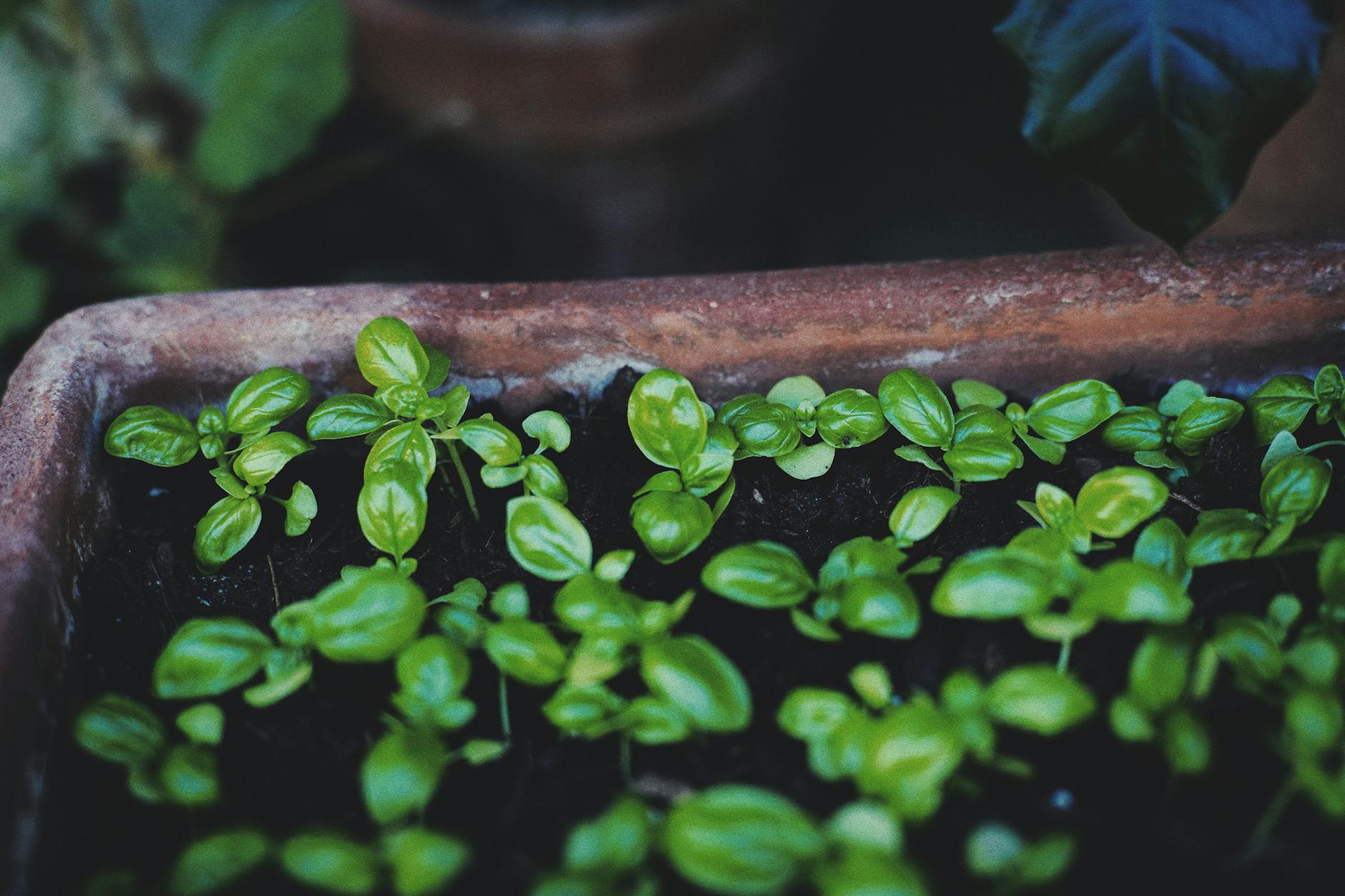
Creating your own herb garden at home can be a rewarding and beneficial endeavor. Not only does it provide a fresh supply of aromatic and flavorful herbs for your culinary creations, but it also adds a touch of greenery and beauty to your living space. Whether you have a sprawling backyard or a small balcony, home herb gardening is a versatile and enjoyable activity. To help you kickstart your herb garden journey, here are some essential tips for cultivating a thriving herb garden.
Choosing the Right Herbs
Selecting the right herbs is the first step in creating a successful herb garden. Consider the herbs that you use most frequently in your cooking, as well as those that thrive in your local climate. Popular herbs like basil, mint, rosemary, thyme, and cilantro are great choices for beginners due to their versatility and ease of growth. Additionally, consider the space available for your herb garden and choose herbs that will fit well within that area.
Planning and Designing Your Herb Garden
Before planting your herbs, it’s essential to plan and design your herb garden layout. Decide whether you want a traditional raised bed garden, vertical herb garden, or container garden based on the space you have available. Consider factors such as sunlight exposure, water accessibility, and proximity to your kitchen for easy harvesting. Group herbs with similar care requirements together to ensure they thrive.
Providing the Right Growing Conditions
Herbs thrive in well-draining soil with good air circulation and adequate sunlight. Most herbs prefer at least 6-8 hours of sunlight per day, so choose a sunny spot for your herb garden. Ensure your herbs are planted in nutrient-rich soil and consider adding compost or organic fertilizer to promote healthy growth. Regular watering is crucial, but be careful not to overwater as herbs generally prefer slightly drier conditions.
Regular Maintenance and Harvesting
Proper maintenance is key to a thriving herb garden. Regularly check for pests, diseases, and weeds, and take timely action to prevent any issues from escalating. Pinch off flowers from herbs to encourage leaf production and prevent them from going to seed. When harvesting, use sharp scissors to cut stems just above a leaf node to promote new growth. Remember that frequent harvesting encourages bushier growth and ensures a continuous supply of fresh herbs.
Seasonal Care and Overwintering
As seasons change, adjust your herb garden care accordingly. In colder climates, consider bringing potted herbs indoors during the winter months or covering them with row covers or cloches to protect them from frost. Mulching can help insulate the soil and protect the roots of perennial herbs during the winter. Prune back herbs in the fall to encourage healthy growth in the following season.
Experimenting with Different Herbs and Varieties
While it’s important to start with commonly used herbs, don’t be afraid to experiment with new varieties and flavors. Grow herbs that are less common in your area or try heirloom varieties for unique culinary experiences. Explore different methods of propagation such as seed sowing, cutting, or division to expand your herb garden collection. Embrace the diversity of herbs and enjoy the process of discovering new favorites.
In conclusion, home herb gardening is a fulfilling and practical way to incorporate fresh herbs into your daily cooking and enhance your living space. By following these essential tips for a thriving herb garden, you can enjoy a bountiful harvest of flavorful herbs while connecting with nature and honing your gardening skills. With careful planning, proper care, and a spirit of experimentation, your home herb garden will flourish and delight your senses throughout the seasons.