
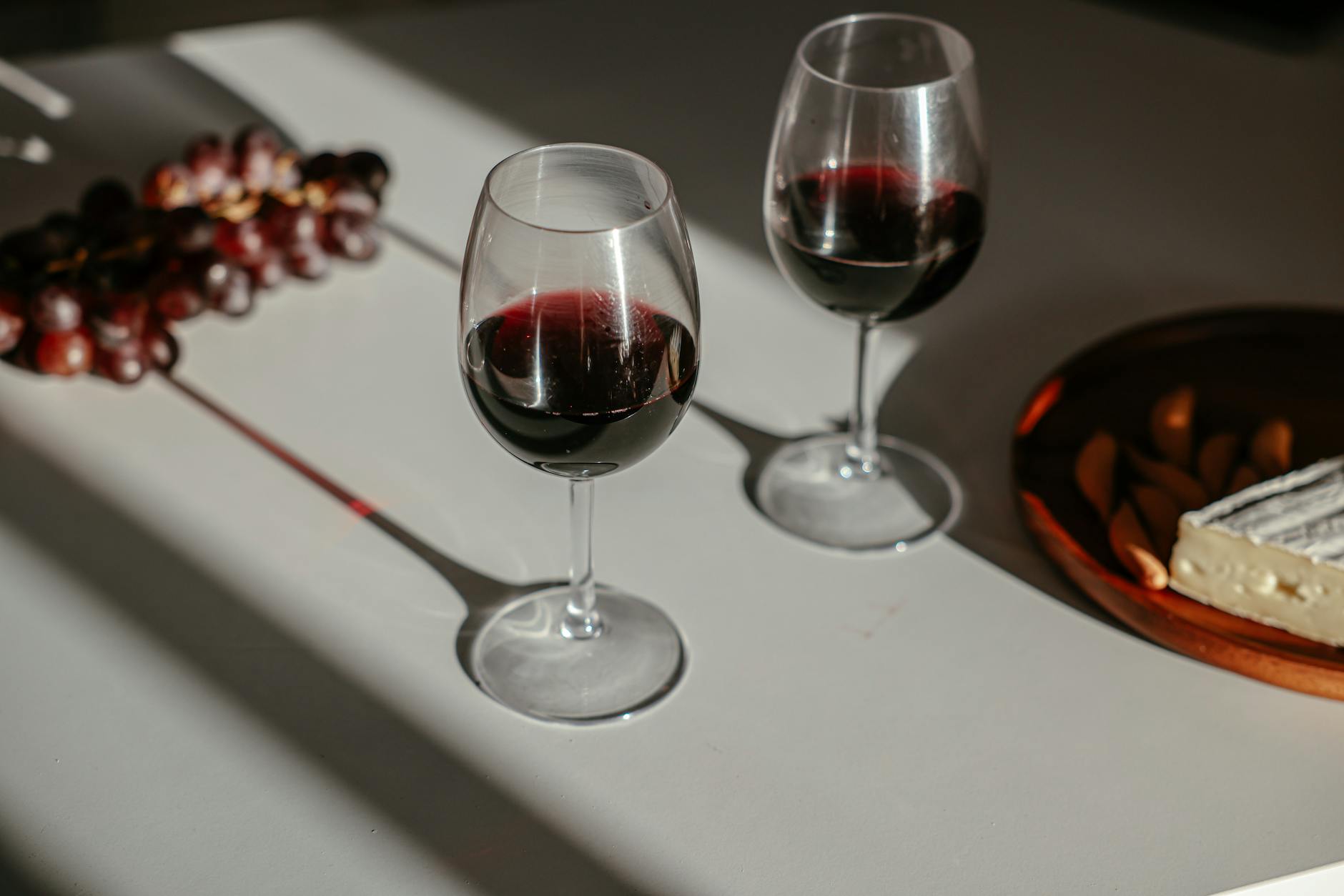
Wine Pairing Made Effortless: The Ultimate Guide
Wine pairing can seem like a daunting task, but with a few simple tips and guidelines, you can elevate your dining experience to a whole new level. Whether you’re hosting a dinner party, celebrating a special occasion, or simply enjoying a quiet evening at home, pairing the right wine with your meal can enhance the flavors and create a harmonious balance on your palate. In this ultimate guide, we will explore the art of wine pairing and provide you with practical advice to make the process effortless and enjoyable.
Understanding the Basics of Wine Pairing
Before diving into the world of wine pairing, it’s essential to understand the basic principles that govern the process. The key to successful wine pairing lies in complementing or contrasting the flavors of the wine with the flavors of the dish. The goal is to create a synergy where both the wine and the food shine, enhancing each other’s characteristics.
Focus on the Flavors
When selecting a wine to pair with your meal, consider the primary flavors of the dish. Is it a rich and savory beef stew, a light and delicate seafood pasta, or a spicy and aromatic curry? Choose a wine that either complements or contrasts these flavors. For example, a bold red wine like Cabernet Sauvignon pairs beautifully with red meat dishes, while a crisp Sauvignon Blanc complements seafood and salads.
Matching Intensity
Another crucial factor to consider when pairing wine and food is the intensity of both the dish and the wine. A hearty, full-bodied dish calls for an equally robust wine to stand up to its flavors, while a lighter meal pairs better with a more delicate wine. Balancing the intensity ensures that one does not overpower the other, allowing both the food and the wine to shine.
Consider the Sauce and Preparation
In addition to the primary flavors of the dish, pay attention to the sauce and preparation methods. A creamy sauce like Alfredo pairs well with a buttery Chardonnay, while a tomato-based sauce complements a medium-bodied red like Merlot. Grilled, roasted, or fried dishes often benefit from wines with a bit of tannin to cut through the richness.
Explore Regional Pairings
One approach to simplify wine pairing is to consider the classic regional pairings that have stood the test of time. For instance, pairing Italian dishes with Italian wines such as Chianti with pasta dishes or Prosecco with antipasti can create a natural harmony of flavors. French cuisine often pairs well with French wines, such as Bordeaux with lamb or Champagne with oysters.
Experiment and Trust Your Palate
While guidelines are helpful, wine pairing is ultimately a personal and subjective experience. Don’t be afraid to experiment and trust your palate. What matters most is that you enjoy the combination of flavors and find it satisfying. Keep a wine journal to track your favorite pairings and discover what works best for you.
Conclusion
Wine pairing doesn’t have to be complicated. With a basic understanding of flavor profiles, intensity levels, and regional pairings, you can confidently select the perfect wine to complement your meal. Remember to consider the flavors of the dish, the intensity of both the food and the wine, and the sauce and preparation methods. Above all, have fun with the process and trust your instincts. Cheers to effortless wine pairing and culinary delights!